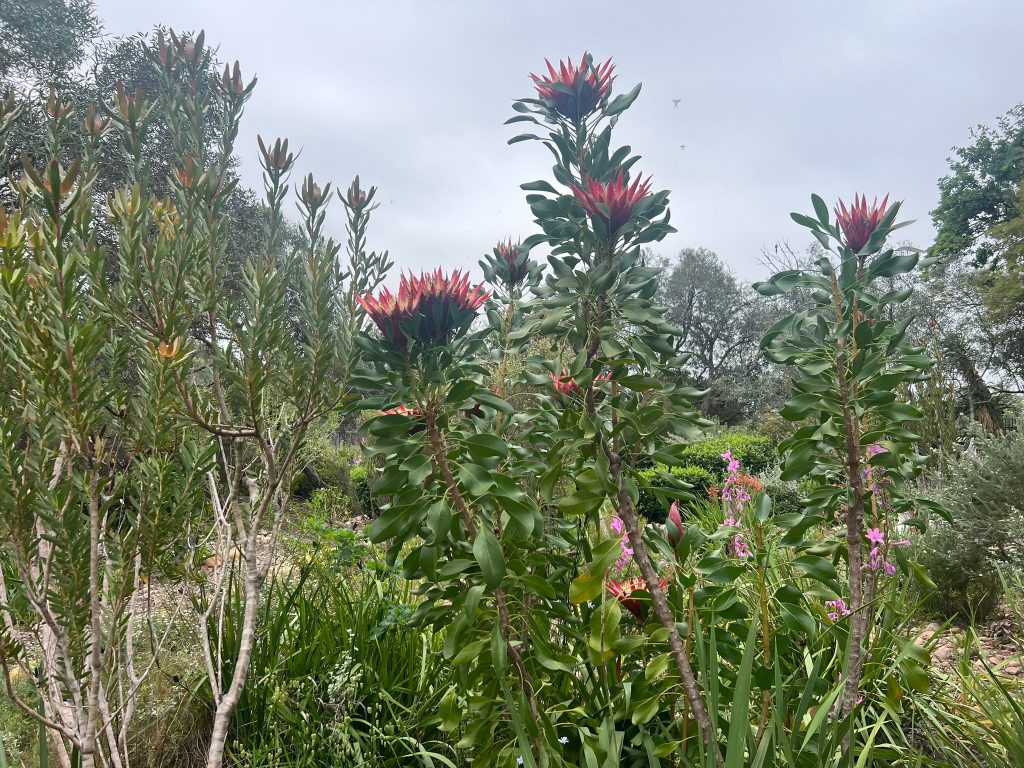
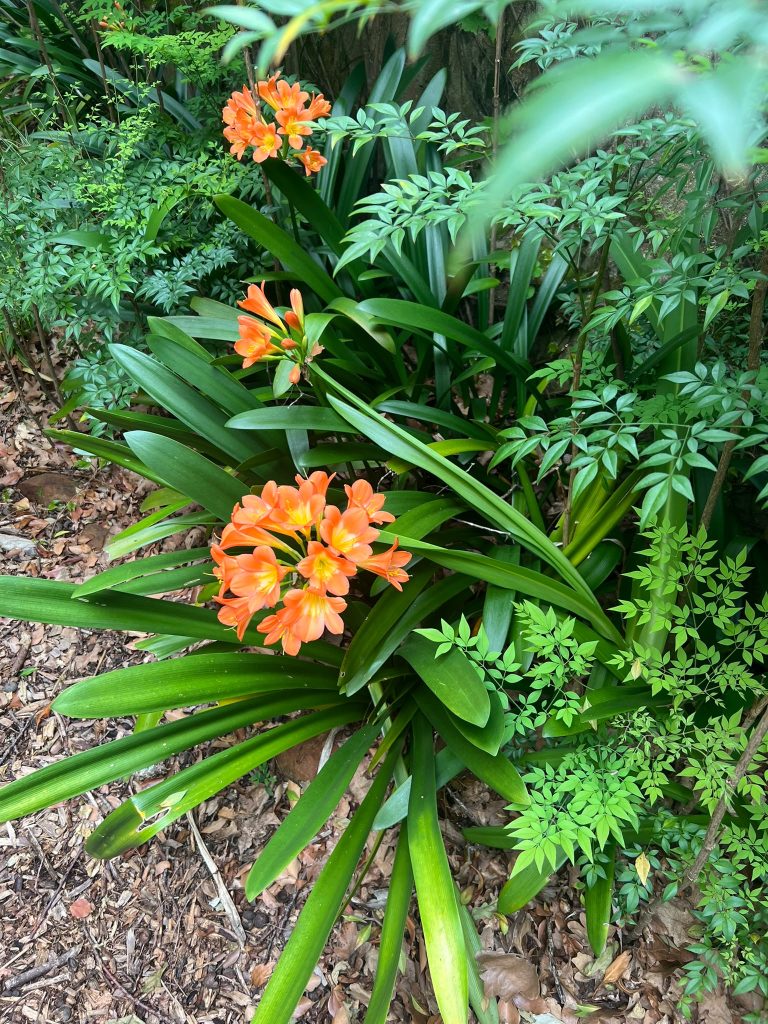
STIAS has a beautiful garden. The modern architecture and the old buildings are surrounded by greenery, greenery, and more greenery. Amid all this verdure, some thirty early-career and mid-career scholars gathered for four days, collaborating on Artificial Intelligence and Digital Humanities in African Studies.
Follow more of Luca’s writings on substack.
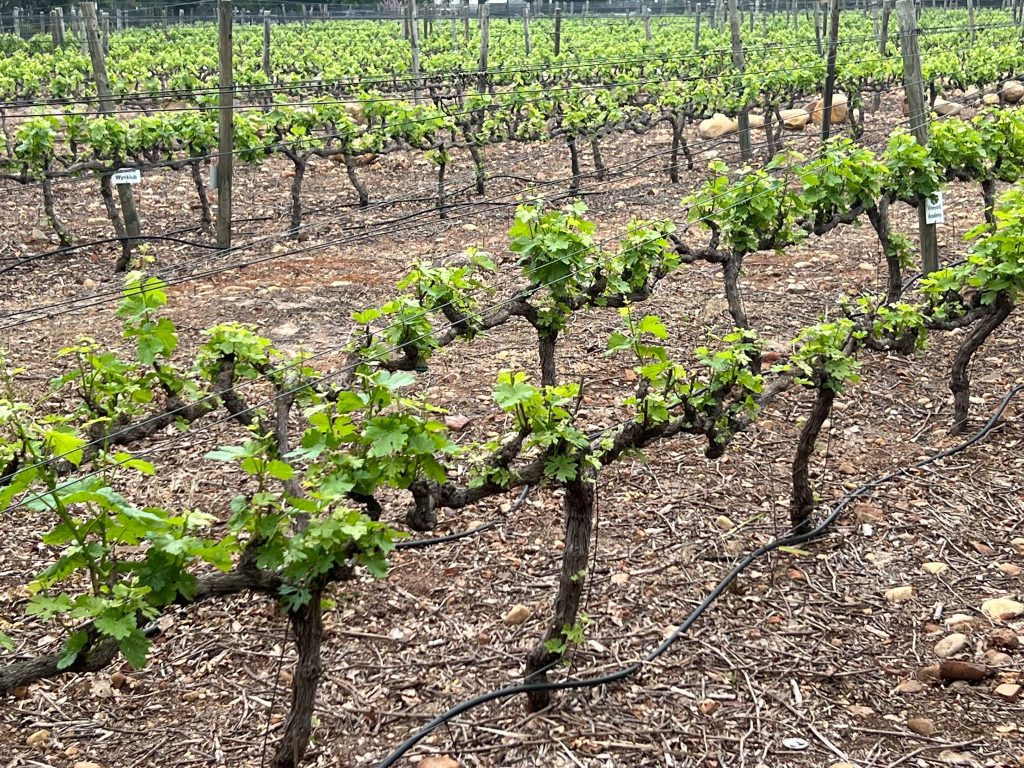
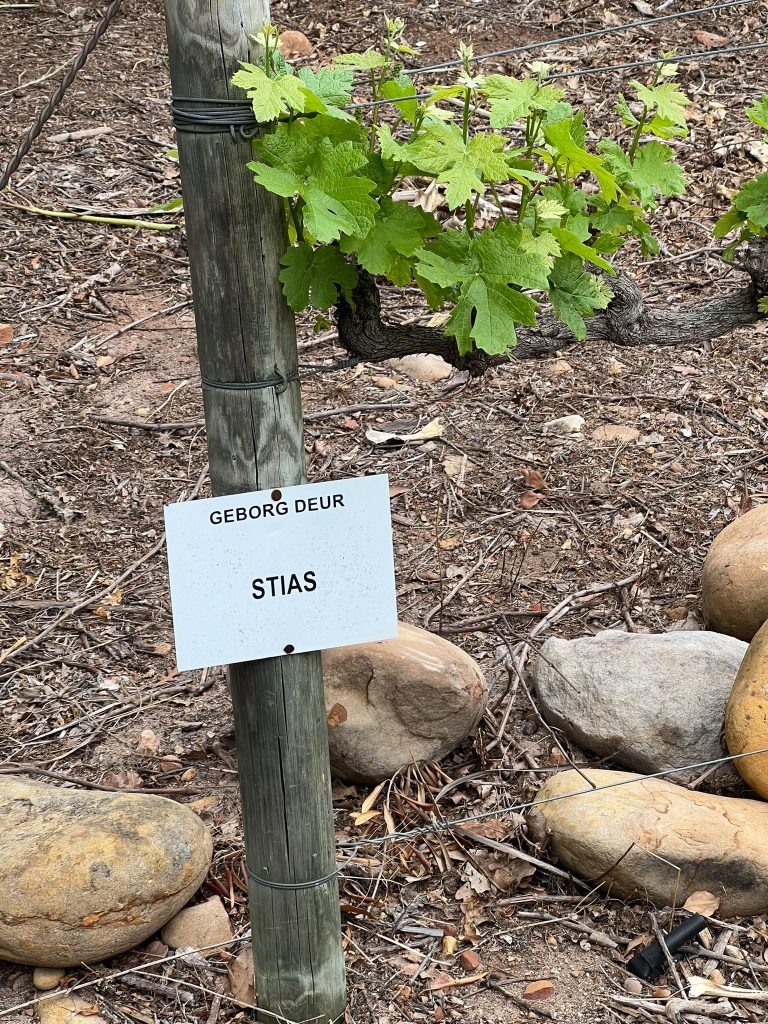
The garden features a field of grapevines. In the still-cool month of September, tiny flowers peek out from among the young leaves, patiently awaiting the harshness of the slightly northward tilting South African sun. The trees are arranged in rows, nothing deviates from the structure, like an attentive elementary school student following the ruled lines of a language workbook. A small sign has been installed in every row. The sign bears the name of the owner: STIAS, Stellenbosch University, and a whole series of family names. As I walk through the vineyard, the thought occurs to me that it resembles a meticulously curated dataset—plants neatly aligned like clearly organized files according to authorship, location, and date; name tags serving as metadata; iron-bar fences keeping the soon-to-be grapes in place like data stewards who monitor the data processing down to the last detail; and water hoses resembling researchers who add information bit by bit.
Discussions on the Wednesday morning of the workshop at STIAS focused on the structuring of digital archives, metadata, and the development of discoverable collections using servers, packages, and search tools. The presenters collectively wondered how AI could play a role in generating and organizing metadata. Sanjin Muftić questioned whether we will eventually refer to AI-informed work based on a grid, with “lazy prompters” at the automated end and “man-made” approaches at the manual end. Because, yes, if we, as academics, hand over our carefully collected data to labeling and organization via AI, what will remain of critical counter-thinking? This counter-thinking is needed—as Iginio Gagliardone et. al and Falimatou Pemgbou called for in their presentations on Monday— to challenge the colonial and gendered biases of those very same systems. As well as to grasp intangible epistemologies, like emotions, affect, and rhythm, Rachel Maina evoked, and those things that researchers are not allowed to capture: myths, rituals, and heritage that belong to the communities academics collaborate with. “Is this the ‘dead end of digitization’?” Khaoula Stiti provoked aloud.
Curating data with AI can seem effortless; information falls into boxes and categories with the right instructions and a final press of a button. But AI curation of data come with certain risks and therefore require appropriate adjustments. Following Hammed Olalekan Lawal et. al and Augustine Farinola’s presentations on folk tales, I wondered if AI is a kind of “trickster” technology that outsmarts its users but also deceives them. How does AI re-articulate and disrupt reality? During Sarah Oberbichler’s keynote, it became clear that models are not only trained on European data and Western framings of non-Western events, the resources model trainings return are often insufficient and unrepresentative, and require deep contextual knowledge, constant guidance, and fine-tuning to arrive at authentic knowledge. Or as Sarah put it: “Innovation and creativity are as important as computational resources.”
Let me fall into a couple of more clichés about the garden as an analogy for tensions in the digital humanities.
A short distance from the vineyard is a garden of flowers, trees, and shrubs. Piles of leaves make the stone-lined paths nearly impassable, and visitors must dodge the sprinklers to avoid getting soaked. The jungle-alike garden is a world apart from the finely outlined winery, and its looks remind me of the disorganized and diverse datasets that many humanities scholars have to deal with. Name tags for the plants or authors are missing, akin to absent metadata. While the asymmetry of the pathways resemble the politicized asymmetry of the multilingual diversity of datasets, which are insufficiently represented in AI and cause, in Evelyne Amana’s words, “linguistic insecurity.”
But the garden with its typical leivore (water furrows) is alive in a way that a vineyard simply cannot match. The contrast between tall and short vegetation will bring a smile to a permaculture gardener’s face. Colonially inherited oak trees mix up with indigenous Fynbos flowers (thank you The Social Justice Walk team!) like bush lilies, coral trees, and king proteas that bear a resemblance to the complex data that researchers in African studies work with.
In the Companion Species Manifesto (2003), philosopher Donna Haraway discusses how animals and plants possess human-like qualities. Can we say the same thing about AI? Are scholars of AI essentially questioning the relation between the human and the more-than-human, with AI as a non-human entity that mimics human traits? Departing from a mix of continental and African philosophers, Emmanuel Ngue Um’s keynote further deepened the question of AI and humanity. Arguably, that they are not different kinds but of a different design. One of the things I take away from the overall discussions is that the digital humanities’ focus on infrastructures, machines, and abstract variables by no means results in de-centering the human: rather, technologies play a central role in shaping social and cultural systems.